


Is Your Vision at Risk? A Guide to Age-Related Macular Degeneration
Learn the early signs of age-related macular degeneration (AMD), risk factors, and how timely eye exams can help protect your central vision.
February is AMD Awareness Month, a time dedicated to educating patients and families about age-related macular degeneration (AMD) — the leading cause of vision loss in adults over 50. Raising awareness is critical because early detection and timely treatment can significantly reduce the risk of permanent vision loss.
At CODET Vision Institute, our specialized Retina Service is dedicated to the early detection, monitoring, and advanced treatment of AMD — helping patients maintain independence and quality of life.

Why Early Detection of AMD Is Critical
Today, ophthalmologists have advanced diagnostic and treatment tools that can slow progression and preserve vision. However, these advancements are only effective if the disease is detected early.
AMD is a chronic condition that requires ongoing monitoring and long-term care. Delaying evaluation can lead to irreversible damage to central vision.
At CODET, we use advanced retinal imaging technologies to identify subtle macular changes early, even before significant vision loss develops.
5 Ways to Reduce Your Risk of Vision Loss from AMD
The American Academy of Ophthalmology recommends the following steps to protect your eye health:
1. Get Regular Comprehensive Eye Exams
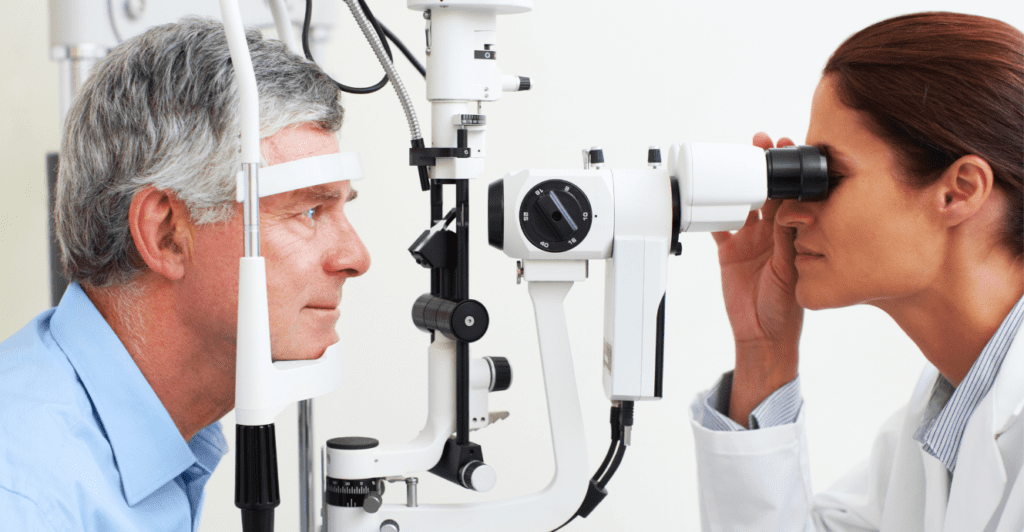
Adults should receive a baseline comprehensive eye exam at age 40. After age 65, exams are recommended every one to two years — even without symptoms.
2. Quit Smoking
Smoking doubles the risk of developing AMD and accelerates its progression.
3. Maintain a Healthy Diet
A diet rich in leafy greens, fruits, vegetables, fish (omega-3s), and nuts may help reduce AMD progression.
4. Exercise Regularly
Exercising at least three times per week may significantly reduce the risk of developing wet AMD.
5. Know Your Family History
If a close relative has AMD, your risk increases by up to 50%. Inform your ophthalmologist so appropriate monitoring can be scheduled.
Take Action This AMD Awareness Month
This February, take a proactive step toward protecting your vision. If you are experiencing blurred central vision, distortion, difficulty reading, or if you are simply due for an exam, schedule a comprehensive retinal evaluation with CODET’s Retina Service.
Early detection saves sight — and your vision is worth protecting.