


Children’s Vision: A Health Priority That Cannot Wait
Dr. Adriana Valdés Barrena, shares how early eye exams detect myopia, strabismus, and other conditions before they affect your child's development.
Children’s vision health is one of the most overlooked areas of pediatric care — not because parents don’t care, but because eye problems in young children often develop silently. Unlike many other health conditions, most visual problems in childhood don’t cause obvious discomfort, making them easy to miss until significant damage has already occurred.
One thing is to see, and another is to see well. If they have always seen that way, they don’t know a better quality of vision exists.
dr. adriana valdés barrena
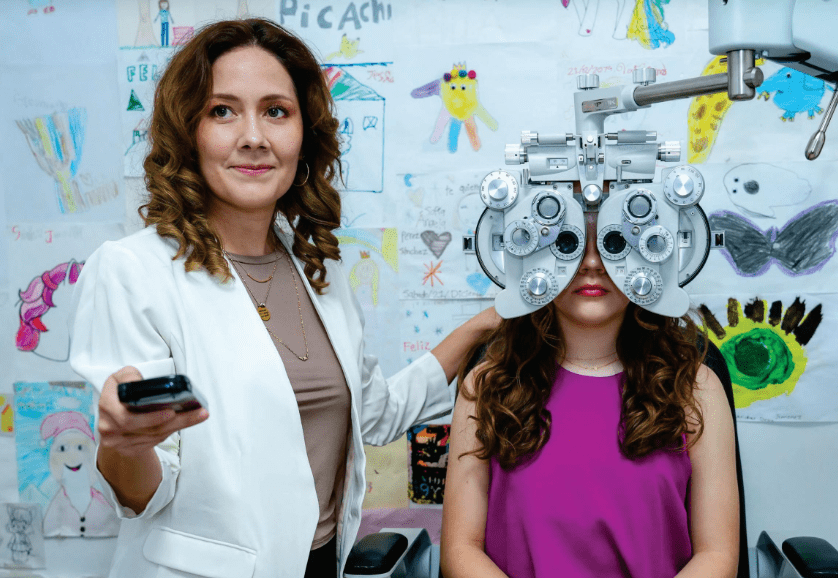
As the head of our Pediatric Ophthalmology and Strabismus service here at CODET Vision Institute, Dr. Adriana Valdés Barrena has dedicated her career to changing this reality — one child at a time. Her message to families is clear: don’t wait for a problem to appear before scheduling your child’s first eye exam.
Why children’s eye care is different
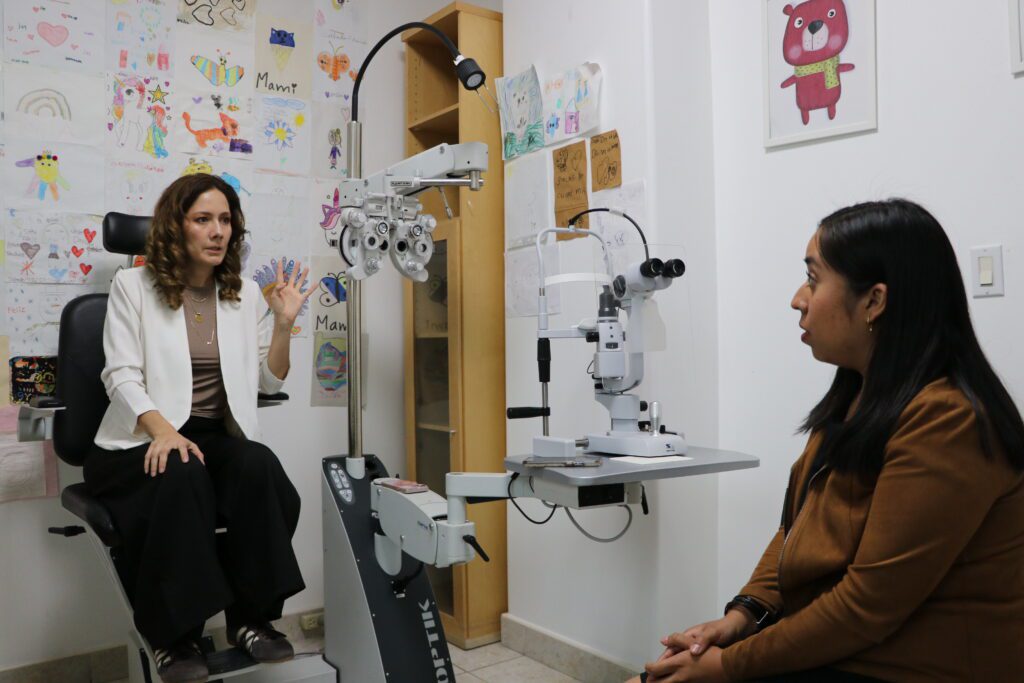
A pediatric ophthalmologist goes beyond what a general eye doctor offers. While both specialists share knowledge of ocular disease, the pediatric ophthalmologist performs additional studies focused on the childhood conditions, their causes, and treatments most relevant to developing eyes. As Dr. Valdés explains: “Although the diseases share a name, they are not managed the same way in an adult as in a child.”
Mexico’s General Health Law requires the first ophthalmological evaluation to take place at four weeks of life — a milestone that forms part of the vaccination booklet, yet one that many families are unaware of. Premature babies are at especially high risk and benefit from assessments even earlier.
What can be detected early?
The most common refractive conditions affecting children include:
- Myopia: Near objects are clear, but distant ones appear blurry.
- Hyperopia: Distant objects look clear, but nearby ones are blurry.
- Astigmatism: Blurry or distorted vision at all distances due to irregular cornea curvature.
- Strabismus: Eye misalignment that can lead to progressive vision loss if untreated.
- Cataracts: Clouding of the eye’s natural lens that can affect visual development and should be detected and treated early to prevent long-term vision problems.
Ocular allergies are also prevalent in our region — Baja California’s high environmental load means children are particularly exposed. Though allergies may seem minor, untreated cases can cause corneal damage and, in severe situations, may even require a transplant. Fortunately, allergologists can now manage these conditions with immunotherapy, significantly reducing symptoms and preventing complications.
Screens and the growing myopia concern
Electronic devices pose a new challenge for childhood vision. Cases of myopia have risen sharply in recent years, directly linked to prolonged near-focus screen use at short distances. The eye adapts to close-range vision and may grow longer than it should — a process that favors myopia. Recommended daily screen limits by age:
Recommended Screen Time Guidelines
- Zero exposure before 2 years of age
- Up to 30 minutes per day between ages 2 and 6
- Up to 1 hour per day between ages 6 and 12
- Maximum 2 hours per day for teenagers
Our Commitment to Your Family
At CODET Vision Institute, we believe that caring for a child’s vision is one of the most impactful investments a family can make. Healthy eyes directly support a child’s academic, social, and emotional development — and yet, too many cases go undetected simply because the warning signs are invisible to untrained eyes.
That is why our mission goes beyond treatment. We are deeply committed to educating families, schools, and communities across the region — because prevention starts with knowledge. By equipping parents with the right information and making early evaluations accessible, we can detect problems before they limit a child’s potential, and intervene when results are most transformative.
Early vision care is not optional — it is foundational. We invite you to schedule your child’s evaluation and join us in building a healthier, clearer future for the next generation.
Source: Tijuana Magazine